Resale thrifting has evolved from a niche hobby into a full-blown cultural movement. What used to be seen as a budget-driven necessity is now a smart, sustainable way to shop. People are turning to thrift stores, online resale platforms, and curated vintage shops not just to save money, but to find unique pieces that stand out from mass-produced fashion. In a world where trends move fast and wardrobes change even faster, thrifting offers a slower, more intentional alternative.
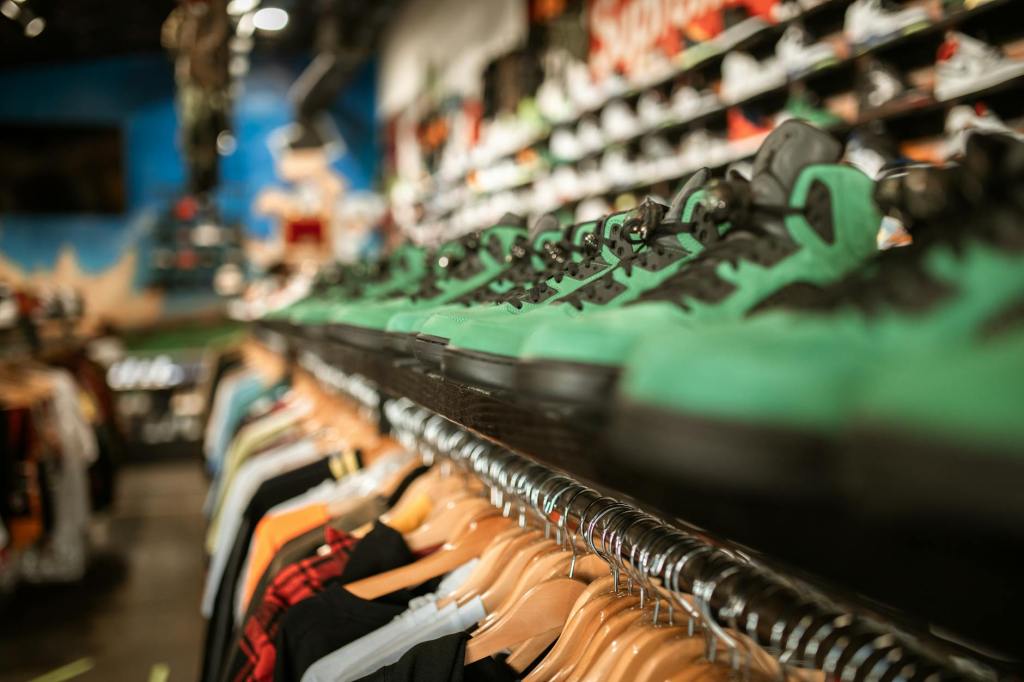
One of the biggest appeals of resale thrifting is the thrill of the hunt. Unlike traditional retail, where inventory is predictable, thrifting is unpredictable—you never know what you’ll find. That could mean scoring a designer jacket for a fraction of the price or discovering a one-of-a-kind vintage piece no one else owns. This sense of discovery makes the experience feel more personal and rewarding.
Beyond style and savings, resale thrifting also plays a role in sustainability. The fashion industry is one of the largest contributors to environmental waste, and buying secondhand helps reduce demand for new production. Every thrifted item extends the life of a garment and keeps it out of landfills. For many shoppers, this eco-conscious aspect is just as important as the aesthetic.
Resale thrifting is also becoming a business opportunity. With platforms like Depop, Poshmark, and eBay, individuals are turning thrift finds into profit. By curating collections, understanding trends, and building a brand, resellers can transform a side hustle into a steady income stream. It’s not just shopping—it’s strategy.
Resale Thrifting for Resellers
For resellers, thrifting is less about luck and more about skill. Successful resellers develop an eye for value—knowing which brands hold resale demand, spotting quality materials, and recognizing trends before they peak. It’s not always about big-name labels either; niche aesthetics like vintage streetwear, Y2K fashion, or workwear can often outperform traditional luxury items.
Consistency is another key factor. Regular sourcing trips, building relationships with local thrift stores, and staying updated on seasonal trends all help maintain a steady inventory. Presentation also matters—cleaning items, taking high-quality photos, and writing clear, engaging listings can significantly impact sales.
Finally, pricing strategy separates casual sellers from serious resellers. Understanding market value, factoring in fees and shipping, and knowing when to hold or discount an item can make or break profitability. In many ways, resale thrifting blends creativity with business sense—making it an appealing path for anyone looking to turn fashion into income.
Resale Thrifting in Houston, Texas
Houston has become a standout city for resale thrifting, thanks to its size, diversity, and constant flow of inventory. With a population that spans a wide range of styles and income levels, thrift stores in Houston often carry everything from high-end designer pieces to vintage streetwear and everyday basics—all in the same place.
For resellers, Houston presents a major opportunity. The sheer number of thrift stores, estate sales, and donation centers makes it possible to source consistently without traveling far. Plus, the city’s strong fashion culture—blending southern style, streetwear, and vintage influences—creates demand for a wide range of items.
Neighborhoods like Montrose and The Heights are especially known for curated vintage shops and trend-forward resale stores, while larger chain thrift stores across the city offer volume and variety for serious hunters. Because Houston is such a fast-moving city, inventory turnover is high, meaning new items hit the racks daily—ideal for both casual shoppers and resellers.
Whether you’re flipping designer finds or building a niche brand, Houston offers both the supply and the market to support resale success.
Attracting Customers
Online resale stores have carved out a powerful space in modern retail by tapping into a mix of affordability, sustainability, and digital convenience. To attract and retain customers, these platforms must go beyond simply listing secondhand items and instead create an experience that feels trustworthy, engaging, and personalized.
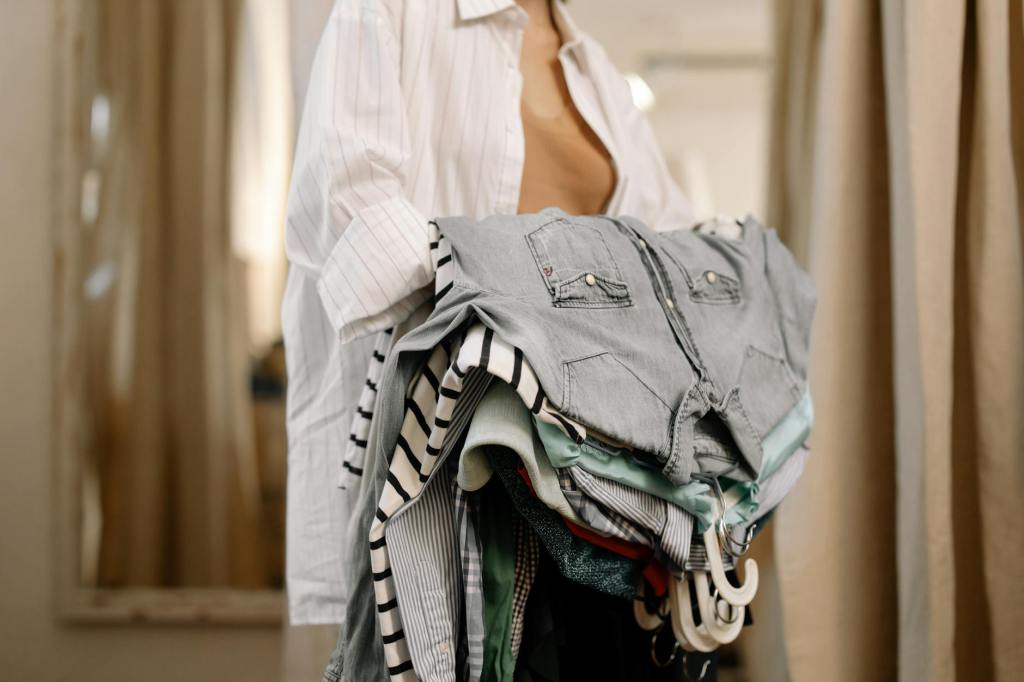
One of the biggest draws is value. Shoppers are often motivated by the opportunity to find high-quality or brand-name items at lower prices. However, price alone isn’t enough—customers need to feel confident in what they’re buying. That’s where transparency becomes critical.
Detailed product descriptions, accurate condition grading, and multiple high-resolution images help reduce uncertainty. Some platforms even go further by offering authentication services, which is especially important in categories like luxury fashion.
Another key factor is user experience. A clean, easy-to-navigate website or app makes browsing enjoyable rather than frustrating. Features like smart search filters, saved preferences, and personalized recommendations based on past behavior can make shoppers feel like the platform understands their tastes. This level of personalization not only improves satisfaction but also increases the likelihood of repeat visits.
Community and social proof also play a major role. Customer reviews, ratings, and user-generated content—such as photos of buyers styling their purchases—add authenticity and relatability. Many successful resale platforms lean heavily into social media, using influencers, styling tips, and interactive content to create a sense of belonging around their brand.
In addition, convenience can make or break the customer experience. Fast shipping options, clear return policies, and responsive customer service help remove hesitation, especially for first-time buyers who may be unsure about purchasing secondhand goods online. Loyalty programs, discounts, or early access to new arrivals can further incentivize repeat engagement.
Finally, many online resale stores attract customers by aligning with broader values. Sustainability is a major driver, as more consumers look for ways to reduce waste and shop responsibly. By emphasizing the environmental benefits of buying secondhand, these platforms connect with shoppers on a deeper level beyond just price.
In the end, successful online resale stores combine trust, ease of use, community, and purpose. By creating a seamless and engaging experience, they turn casual browsers into loyal customers.
Fresh Drops, Standout Style, and Deals Worth Scrolling for 👀
Looking to upgrade your style without breaking the bank? Check out my Depop for unique finds, curated pieces, and deals you won’t want to miss. New items are added regularly, so there’s always something fresh waiting for you. Tap in and find your next favorite piece today!
 My Depop